

Navigation
Send Us A Message
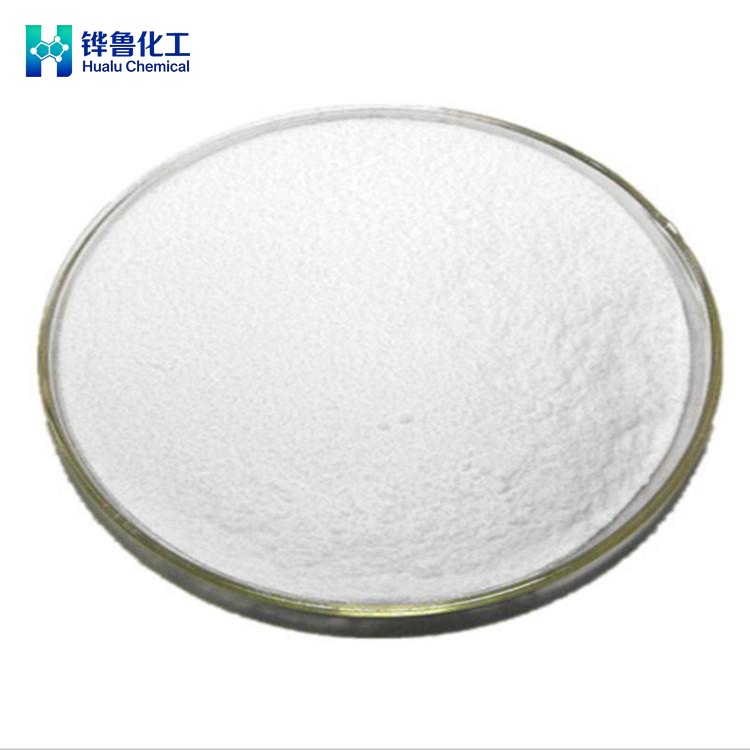
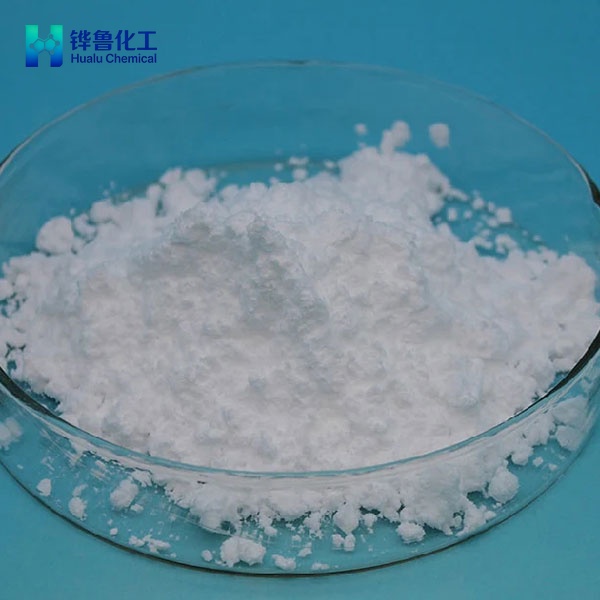
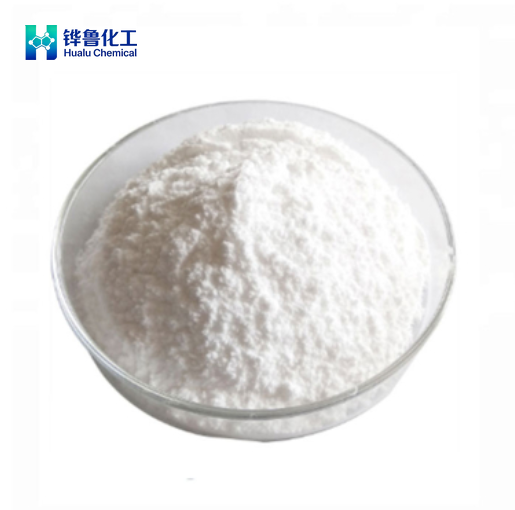
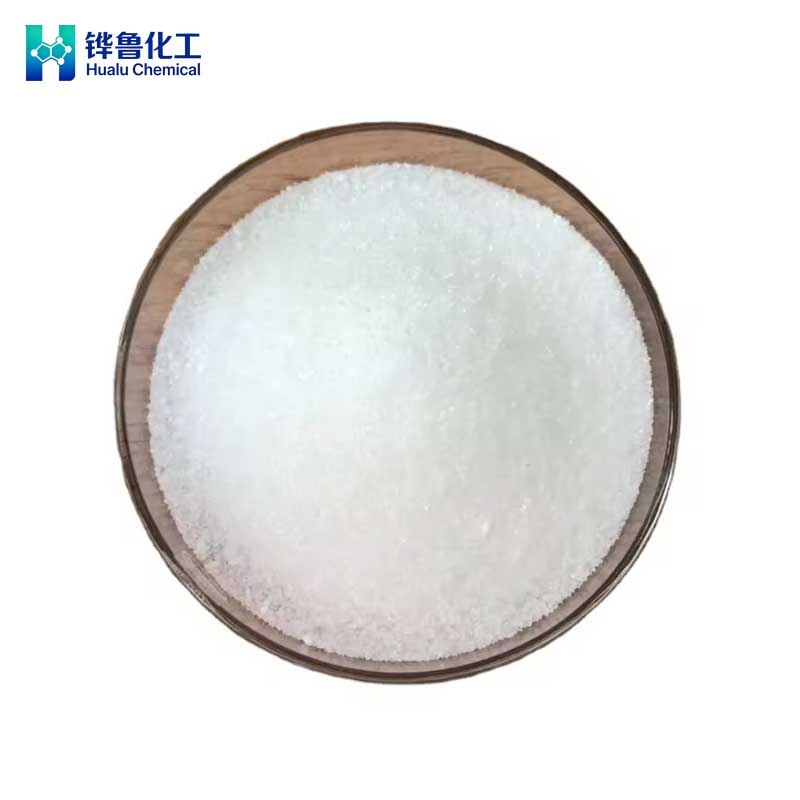
Ethylenediaminetetraacetic acid disodium salt
Molecular Formula: C10H14N2Na2O8
Molecular Weight: 336.206

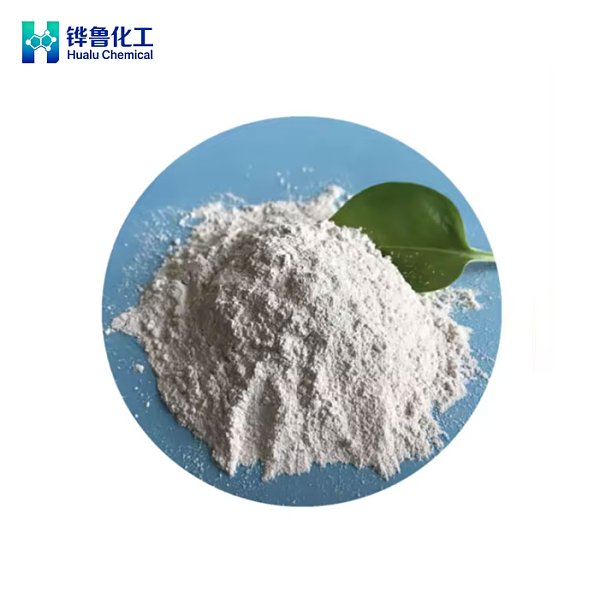
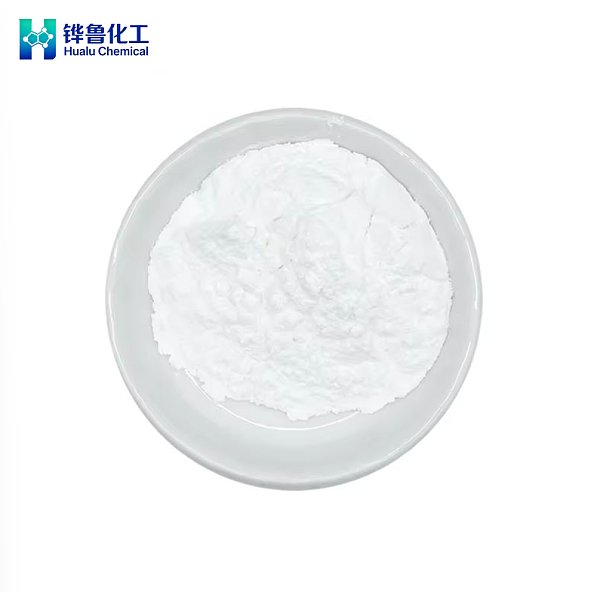
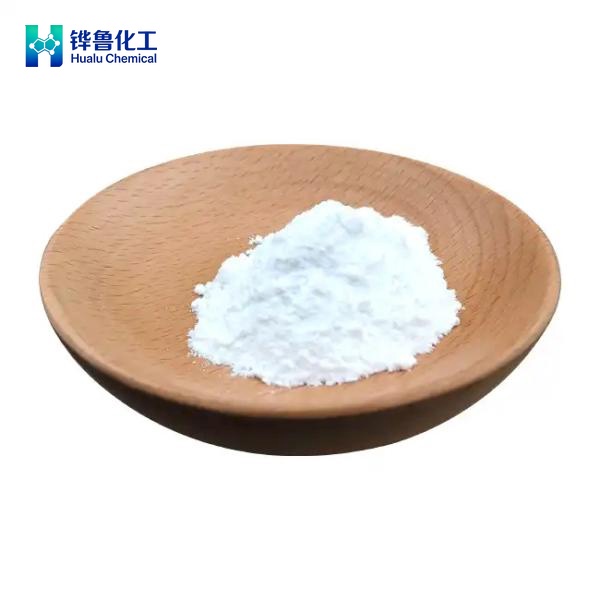
Disodium ethylenediaminetetraacetic acid (EDTA-2Na) is a valuable chelating agent in chemistry. Its chemical formula is C₁₀H₁₄N₂Na₂O₈, and its molecular weight is 336.206. Its molecular structure contains six coordinating atoms (two nitrogen atoms and four oxygen atoms), allowing it to form stable chelates with metal ions. It has important applications in the dye, food, and pharmaceutical industries.
Chemical Properties
Product Usage
1. Food industry: Cadmium (Cd2+) in rice protein (RPs) can be removed by soaking in a solution of disodium ethylenediamine tetraacetate (EDTA-2Na).
Disodium EDTA can form stable water-soluble complexes with almost all metal ions. Its chelating effect can eliminate food turbidity, deterioration, discoloration, and vitamin oxidation loss caused by metal ions, thus playing a role in color protection, stabilization, antioxidation, and preservation of food. Therefore, as a color preserver, quality improver, and synergistic antioxidant, it is often widely added to food.
According to GB 2760—2014, disodium EDTA can be used in jams, vegetable purees, or sauces (excluding tomato sauce) with a maximum usage of 0.07g/kg; in preserved fruits (limited to sweet potato preserves), pickled vegetables, canned vegetables, canned nuts and seeds, and canned grains with a maximum usage of 0.25g/kg; in compound seasonings with a maximum usage of 0.075g/kg; and in beverages (excluding packaged drinking water) with a maximum usage of 0.03g/kg. Additionally, GB 2760—2014 stipulates that calcium disodium EDTA can be used as an antioxidant in compound seasonings with a maximum usage of 0.075g/kg.
2. Industrial field:
It is used in chemical copper plating, gold plating, lead-tin alloy plating, electrochemical polishing of steel parts, and in the solution before silver plating of copper parts. It can also be replaced by EDTA-2Na. It is also used in detergents, liquid soaps, shampoos, agricultural chemical sprays, color photographic materials processing and bleaching fixing solutions, leaching of valuable metals from waste batteries [8], water purifying agents, pH regulators, and coagulant inhibitors. In the chemical reduction initiation system used in styrene-butadiene rubber polymerization, EDTA disodium serves as a component of the activator, mainly used to complex ferrous ions and control the polymerization reaction rate.
3. Pharmaceuticals and scientific research:
Analytical chemistry: determination of metal ion content by complexometric titration.
Food testing: The most common method for detecting disodium EDTA in food is high-performance liquid chromatography (HPLC). In addition to this method, other methods include ion chromatography, titration, colorimetry, thin-layer chromatography, and liquid chromatography-tandem mass spectrometry.


Delivery Time
Inventory 2-3 working days New manufacturing 7-10 working days
Mode of Transportation
1. By Air, fast but expensive.
2. By Sea, usual and economy.
3. By Train, suit for middle Asia countries.
4. By Express, suit for small package.
We only provide highest quality goods available, accompanied by after support!
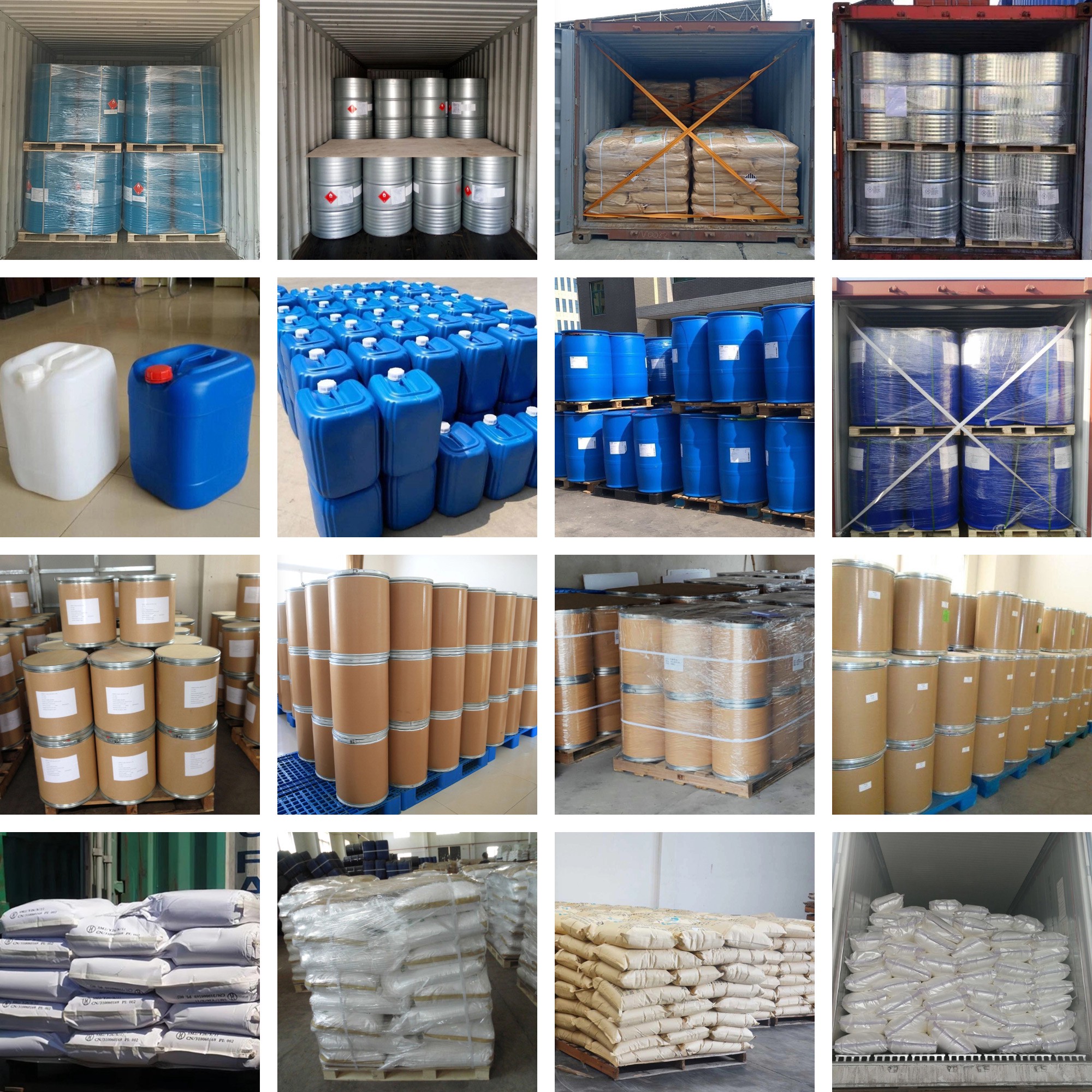
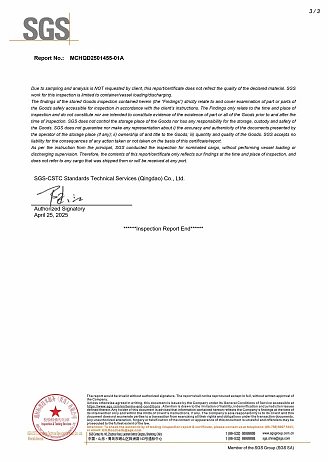
Q1: What international standards do your products and services comply with?
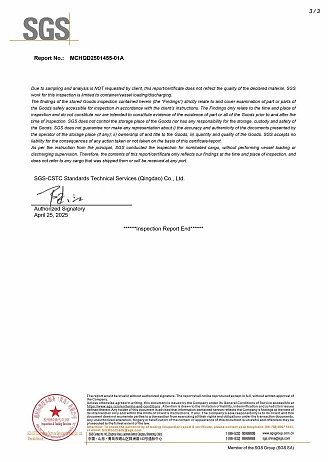
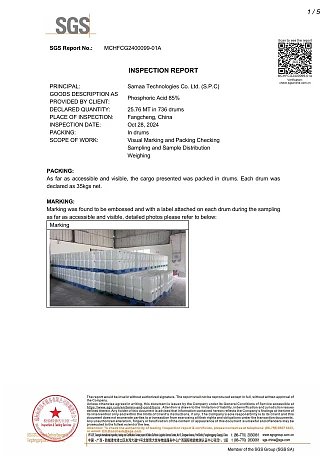
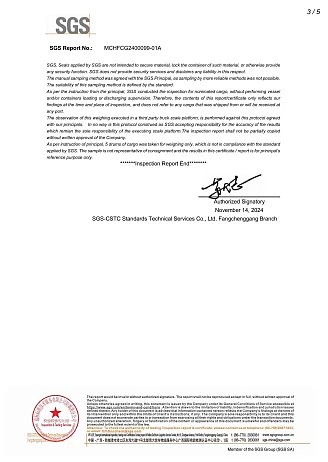
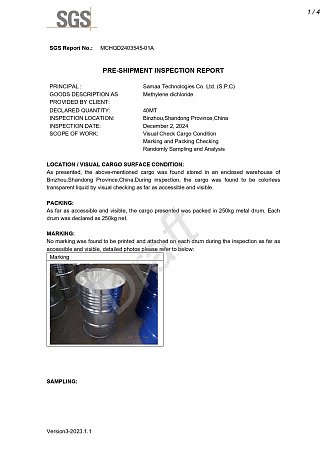
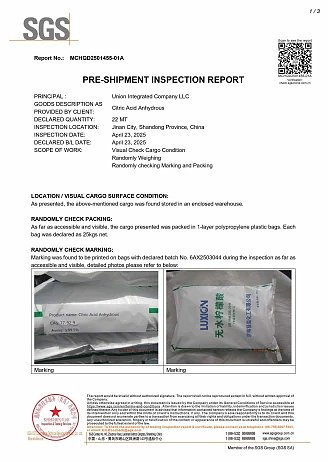
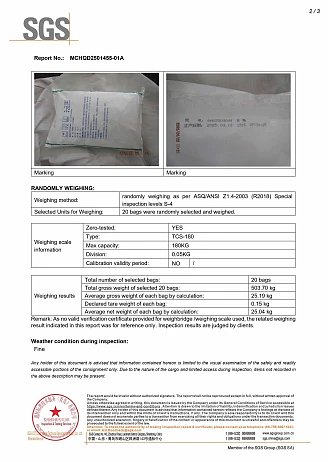
A1: Our products fully comply with international standards such as REACH, MSDS, and COA, and we strictly implement the ISO9001 quality management system. We can also provide third-party testing reports (SGS, BV, etc.) according to customer needs.
Q2: How long does it take for goods to be delivered to my country?
A2: The delivery time depends on the transport mode and destination country. Generally, sea transport takes 15-30 days, air transport takes 3-7 days, and we will optimize the transport route to shorten the delivery time as much as possible.
Can you provide customs clearance services for dangerous chemicals?
A3: Yes. Our team is proficient in the customs clearance procedures for dangerous chemicals in various countries, and can provide professional compliant declaration and customs clearance services to ensure smooth customs clearance.
Q4: Do you provide customized product and service solutions?
A4: Yes. We can provide personalized product customization and export service solutions according to your specific needs (product specifications, application scenarios, procurement volume, etc.).
 Guanidine phosphateCAS No.: 1763-07-1
Molecular Formula: CH8N3O4P
Molecular Weight: 157.07Learn More →
 Tetrasodium EDTACAS No.: 64-02-8
Molecular Formula: C10H12N2Na4O8
Molecular Weight: 380.17Learn More →
 Ethylenediaminetetraacetic acid disodium saltCAS No.: 139-33-3
Molecular Formula: C10H14N2Na2O8
Molecular Weight: 336.206Learn More →
") Dimethylformamide (DMF)CAS No.: 80-62-6
Dimethylformamide (DMF)CAS No.: 80-62-6
Molecular Formula: C₅H₈O₂
Molecular Weight: 100.12Learn More →
 MelamineCAS No.: 108-78-1
Molecular Formula: C3H6N6
Molecular Weight: 126.12Learn More →
 Ammonium CarbamateCAS No.: 1111-78-0
Molecular Formula: CH6N2O2
Molecular Weight: 78.07Learn More →
 TrifluoroacetamideCAS No.: 354-38-1
Molecular Formula: C2H2F3NO
Molecular Weight: 113.039Learn More →
 L-LactideCAS No.: 4511-42-6
Molecular Formula: C6H8O4
Molecular Weight: 144.13Learn More →