
Products
Navigation
Send Us A Message
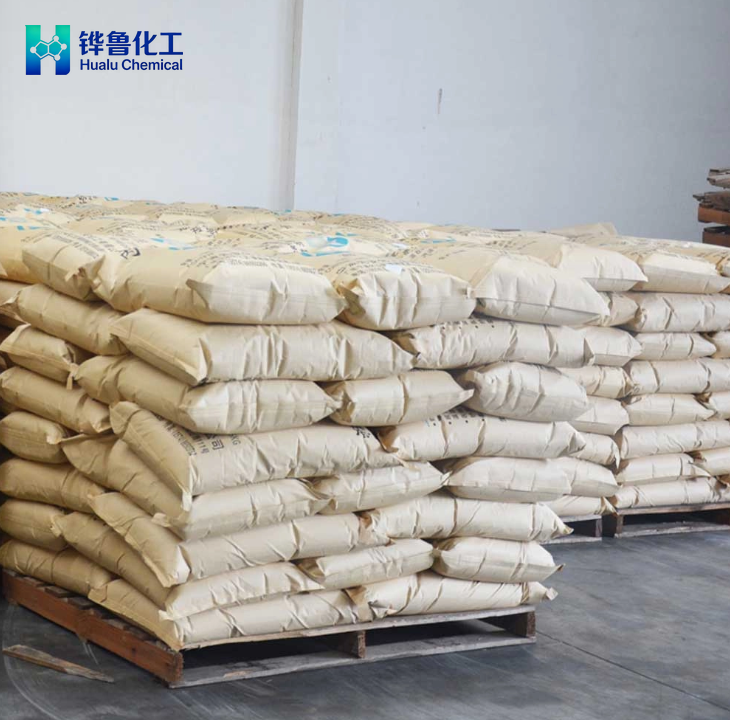
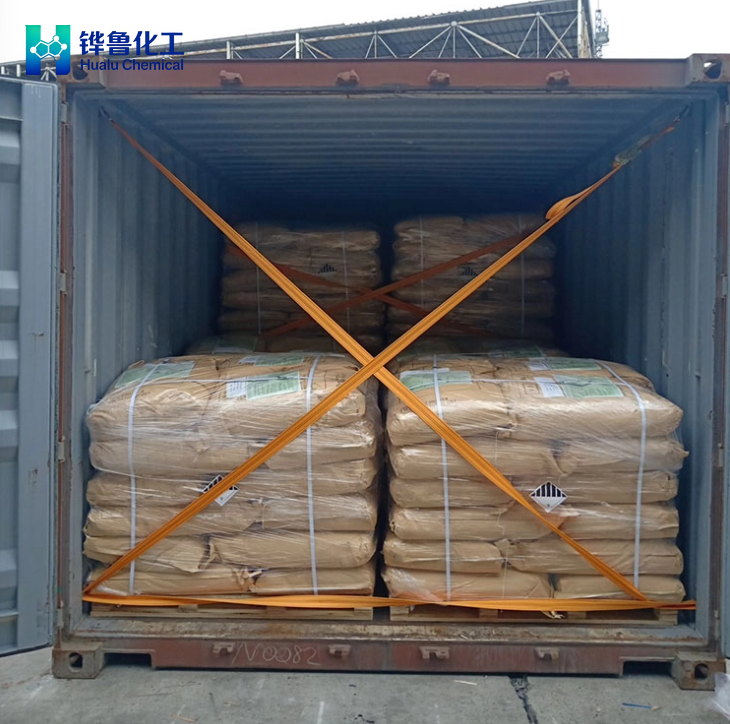
Acrylamide
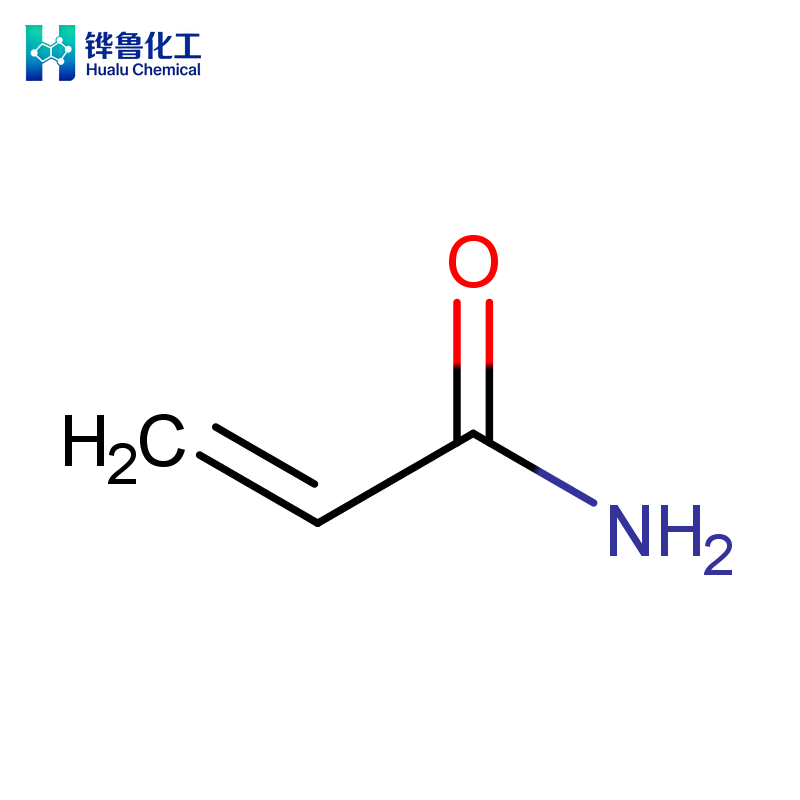
Molecular Formula: C3H5NO
Molecular Weight: 71.08

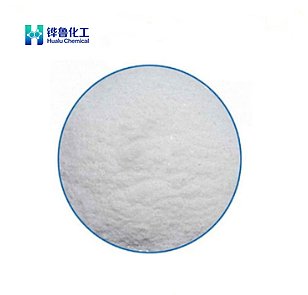
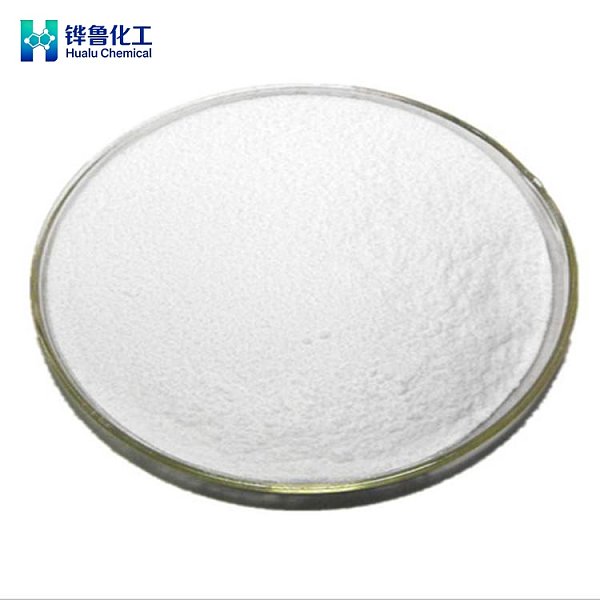
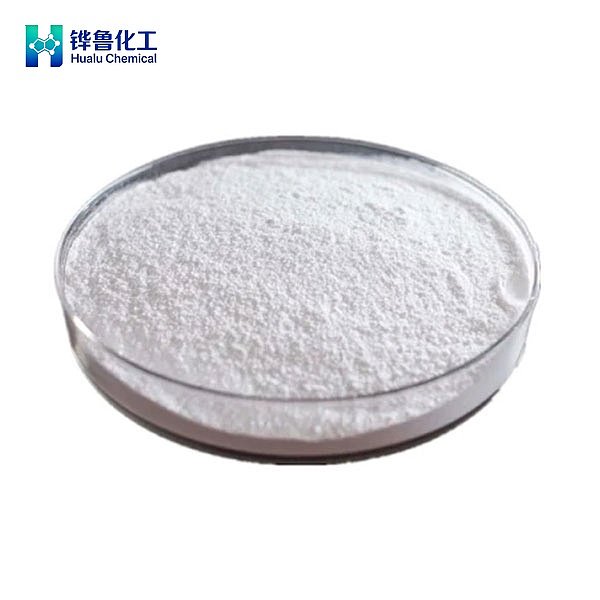
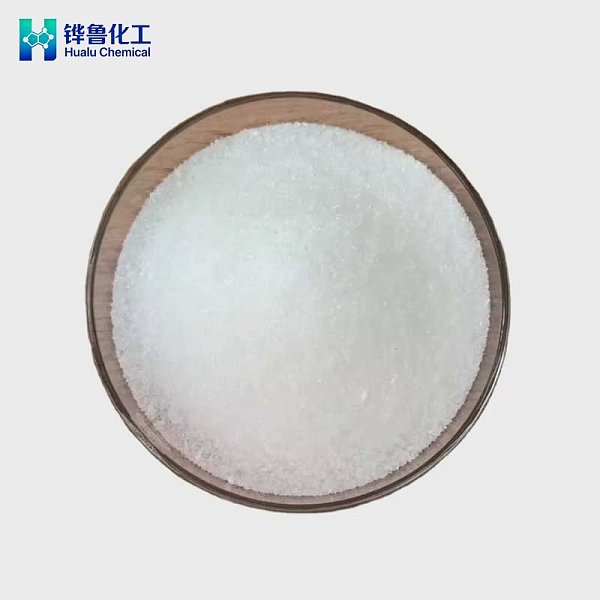
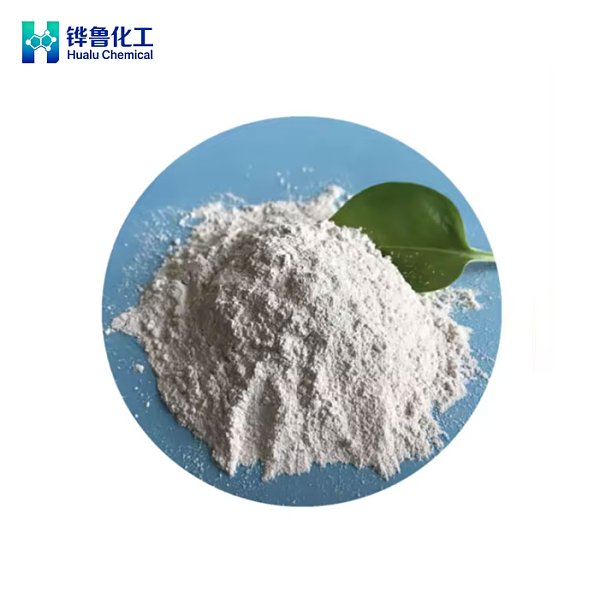
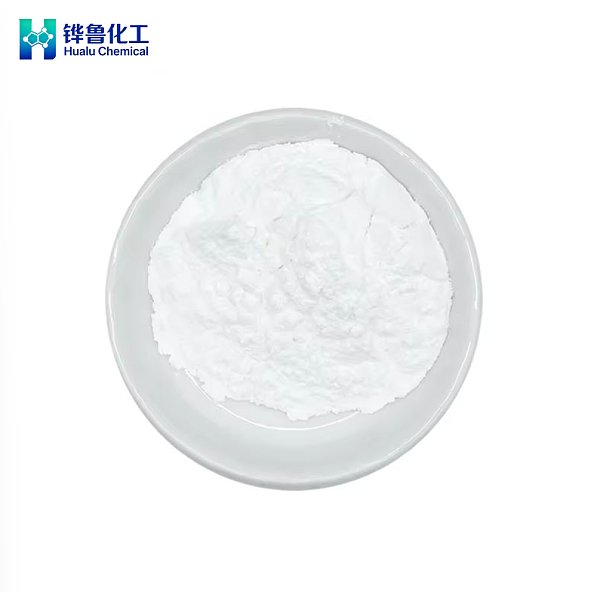
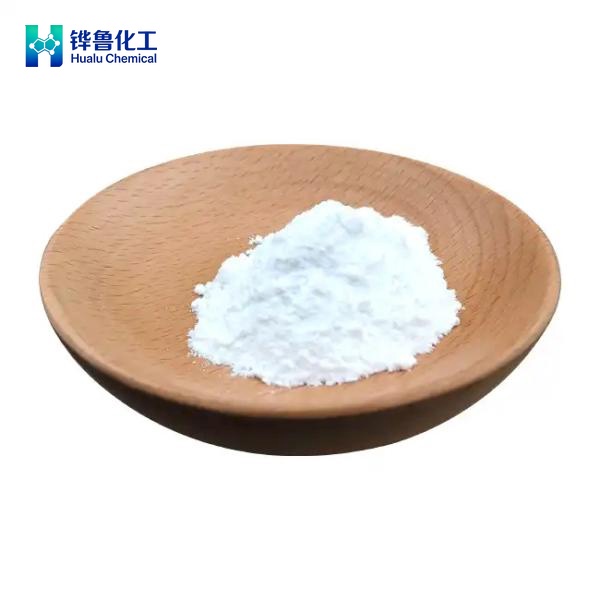
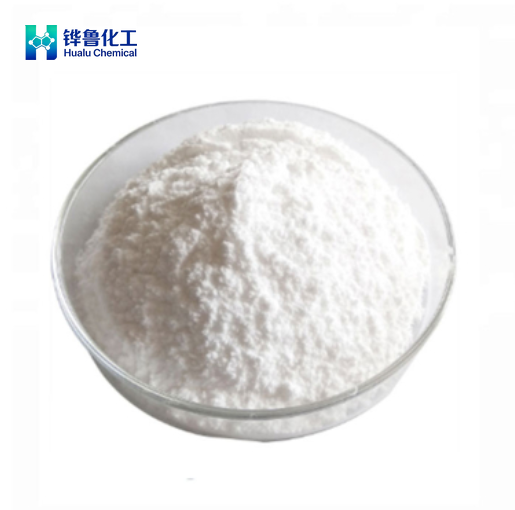
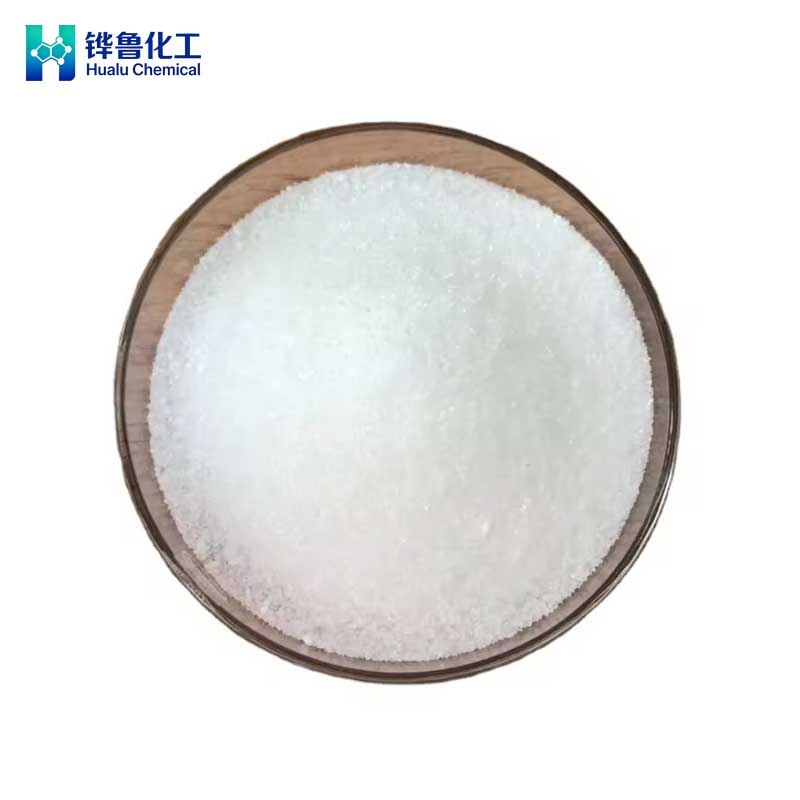
Acrylamide is an important organic synthetic monomer, which combines chemical reactivity with specific physical properties. At room temperature, it is a white crystalline powder. Pure products are odorless, while industrial products may have a slightly pale yellow or pungent smell due to the presence of trace impurities. Crystals are prone to absorbing moisture and gradually soften or even dissolve after absorbing it.
Safety Information
Product Usage
Acrylamide is a vital organic monomer primarily used in the synthesis of polyacrylamide (PAM), a versatile polymer with extensive industrial utility. Its most significant application is in water treatment, where PAM acts as a high-efficiency flocculant for municipal sewage and industrial wastewater purification. In the petroleum industry, it is a key component for enhanced oil recovery (EOR) and as a friction reducer in hydraulic fracturing. In paper manufacturing, acrylamide-based resins serve as retention aids and dry-strength agents to improve paper quality. Furthermore, in biotechnology and clinical labs, high-purity acrylamide is indispensable for preparing polyacrylamide gels used in electrophoresis (PAGE) for the separation of proteins and nucleic acids.


Delivery Time
Inventory 2-3 working days New manufacturing 7-10 working days
Mode of Transportation
1. By Air, fast but expensive.
2. By Sea, usual and economy.
3. By Train, suit for middle Asia countries.
4. By Express, suit for small package.
We only provide highest quality goods available, accompanied by after support!
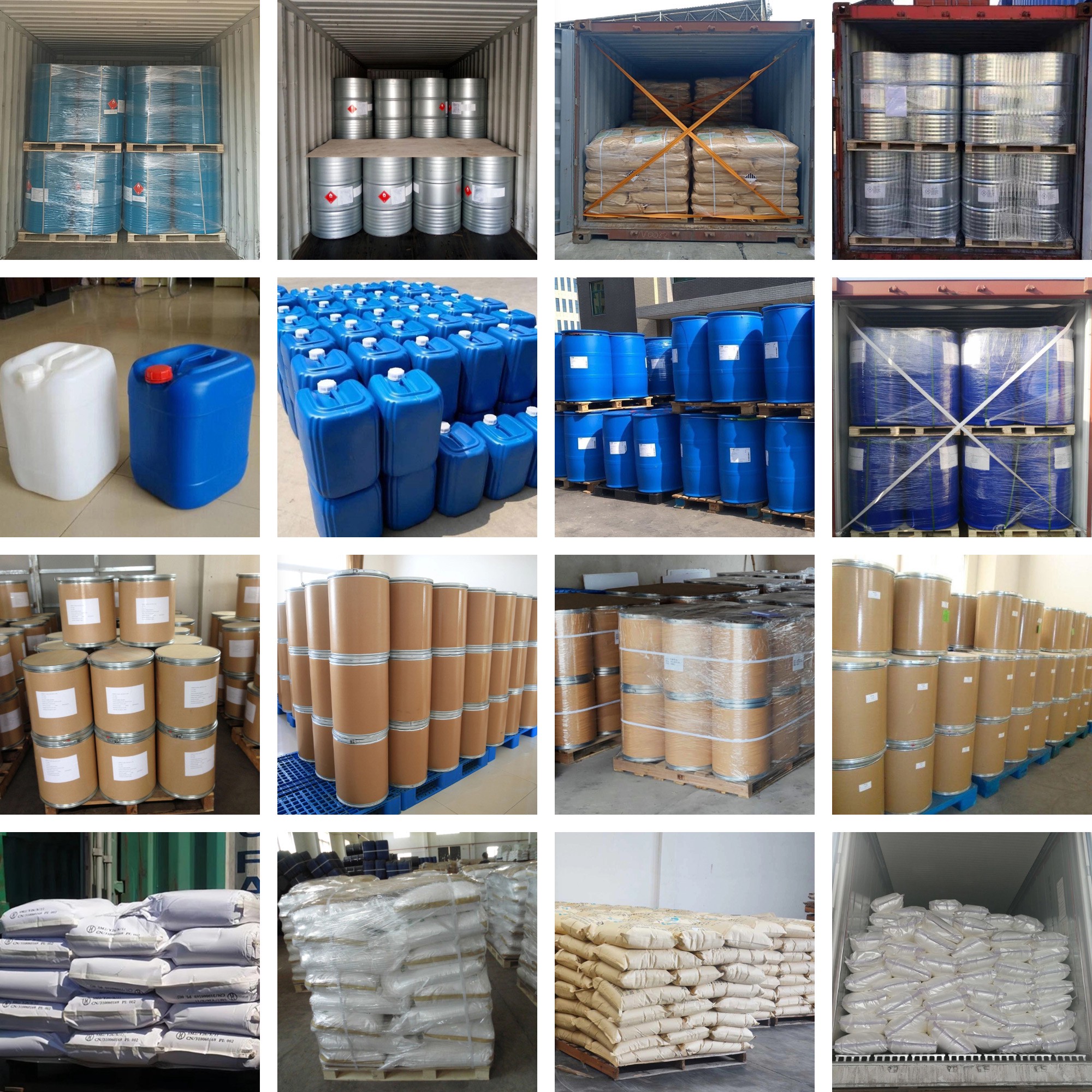
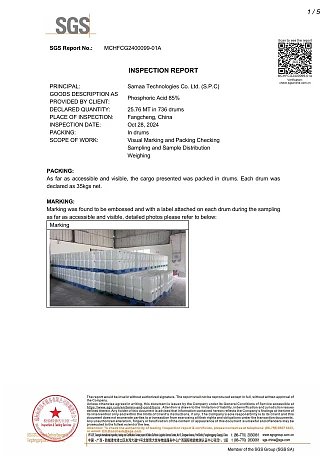
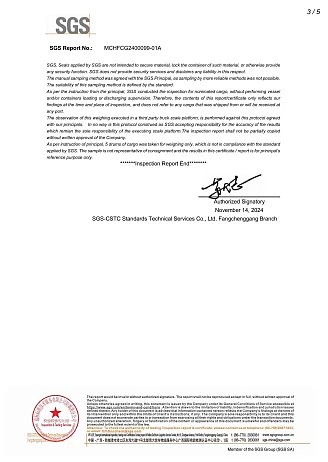
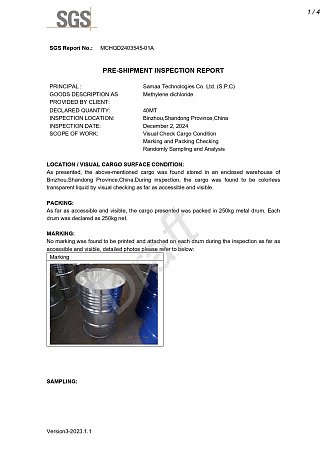
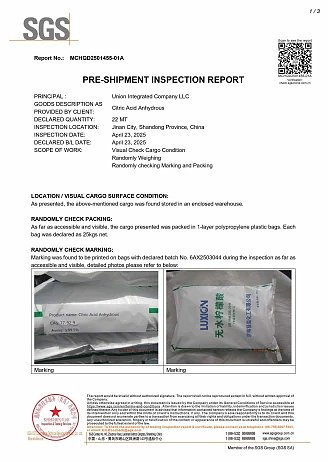
Q1: What international standards do your products and services comply with?
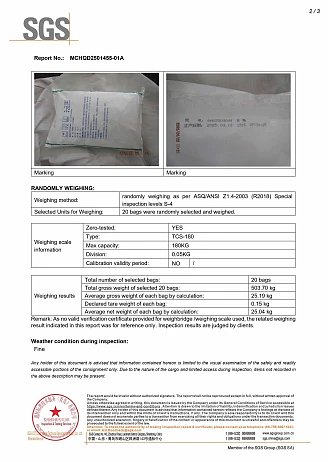
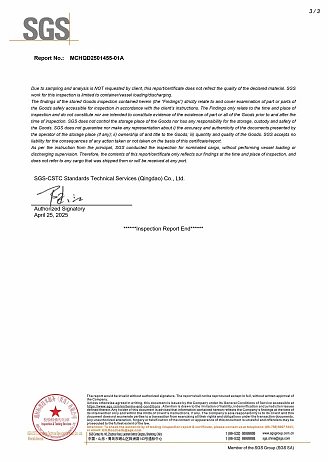
A1: Our products fully comply with international standards such as REACH, MSDS, and COA, and we strictly implement the ISO9001 quality management system. We can also provide third-party testing reports (SGS, BV, etc.) according to customer needs.
Q2: How long does it take for goods to be delivered to my country?
A2: The delivery time depends on the transport mode and destination country. Generally, sea transport takes 15-30 days, air transport takes 3-7 days, and we will optimize the transport route to shorten the delivery time as much as possible.
Can you provide customs clearance services for dangerous chemicals?
A3: Yes. Our team is proficient in the customs clearance procedures for dangerous chemicals in various countries, and can provide professional compliant declaration and customs clearance services to ensure smooth customs clearance.
Q4: Do you provide customized product and service solutions?
A4: Yes. We can provide personalized product customization and export service solutions according to your specific needs (product specifications, application scenarios, procurement volume, etc.).
 Guanidine phosphateCAS No.: 1763-07-1
Molecular Formula: CH8N3O4P
Molecular Weight: 157.07Learn More →
 Tetrasodium EDTACAS No.: 64-02-8
Molecular Formula: C10H12N2Na4O8
Molecular Weight: 380.17Learn More →
 Ethylenediaminetetraacetic acid disodium saltCAS No.: 139-33-3
Molecular Formula: C10H14N2Na2O8
Molecular Weight: 336.206Learn More →
") Dimethylformamide (DMF)CAS No.: 80-62-6
Dimethylformamide (DMF)CAS No.: 80-62-6
Molecular Formula: C₅H₈O₂
Molecular Weight: 100.12Learn More →
 MelamineCAS No.: 108-78-1
Molecular Formula: C3H6N6
Molecular Weight: 126.12Learn More →
 Ammonium CarbamateCAS No.: 1111-78-0
Molecular Formula: CH6N2O2
Molecular Weight: 78.07Learn More →
 TrifluoroacetamideCAS No.: 354-38-1
Molecular Formula: C2H2F3NO
Molecular Weight: 113.039Learn More →
 L-LactideCAS No.: 4511-42-6
Molecular Formula: C6H8O4
Molecular Weight: 144.13Learn More →